lunes, 7 de mayo de 2018

ACROSPORT

1. WHAT IS ACROSPORT?
“Acrosport or Acrobatic Gymnastic is an acrobatic sport practiced with a partner or with a group. The exercises must include a harmonious combination of choreography, collective acrobatic elements (buildings) and individual acrobatic elements (floor acrobatic series), all in perfect synchronization with partners and music”.
Three main elements in Acrosport:
¡ Buildings: strength, flexibility and balance are needed to make buildings.

Ø Figures: each partner has a part of their body leaned on the floor.
Ø Pyramids: this structure always includes at least two levels.

¡ Acrobatics: they are used as a transition from one building to another. They include gymnastic elements such as turns, somersaults, handstands, cartwheel, jumps, …

¡ Music: it is a basic element for the performance. It enhances the choreography.


2. ACROSPORT ROLES:

ü BASE
ü TOP
ü HELPER

2.1. THE BASE:
§ It is a stable, static or dynamic base on pyramids buildings.
§ Its main features are strength, stability and balance.
§ The base must provide trust to his partners.

2.2. THE TOP:

§ It is thinner and smaller than the base.
§ Its main features are flexibility, balance and agility.
§ It must be courageous and he must trust its partners.
§ It is on the top of the pyramids with a balanced or strength position.

2.3. THE HELPER: its job is to help to build the pyramid. It provides security and confidence to his partners. Finally it must be included in the building. It helps:

- Avoiding accidents.
-  Decreasing anxiety.
-  Giving confidence and collaborating with partners.


3. BUILDING PYRAMIDS:
There are three phases:
3.1. CONSTRUCTION:

§ We must begin from the center to the sides. This type of construction provides us fluency and security.
§ Communication among partners is very important.
§ Tops must climb carefully. They must try to avoid pushes that could unbalance the bases.

3.2. STABILIZATION: once the team has built the pyramid it should keep the structure during three seconds. It depends on:

§ Correct distribution.
§ Position control.

3.3. ENDING:

§ It must always be done in the construction opposite order, from the sides to the center.
§ Top must always get off the pyramid through de front side, never through the back side. 
Click on the image to see more examples of pyramids

SAFETY WARNINGS
-  Always keep your back straight. Don’t bend your back and keep the muscles tone tense.
-  Don’t support on the mid back of your mate. When you go up on a classmate, you have to do it on the areas of the shoulders or hips, because you could hurt your classmate's back.  Everything must be done without jumping.
-  Use your legs to raise your mate’s weight. Don’t force and bend your back.
-   Don’t move until the top has climbed down the structure. The pyramid must be undone from top to bottom.


martes, 6 de febrero de 2018

FLOORBALL RULES

After few weeks playing floorball and learning some basic skills, it's time to play! But first, we need to learn some simple rules. Click on the images to learn them!


jueves, 25 de enero de 2018

FLOORBALL

This term we have just started with a new sport that is played with a stick. This sport is called Floorball and you should already know that it is your P.E. teacher favourite sport!
Here you can find the summary about "how to play floorball" that I gave to you. Click on the image below to download it!


lunes, 22 de enero de 2018

Juggling


Last term, we were learning how to juggle in P.E and you did a fantastic job.
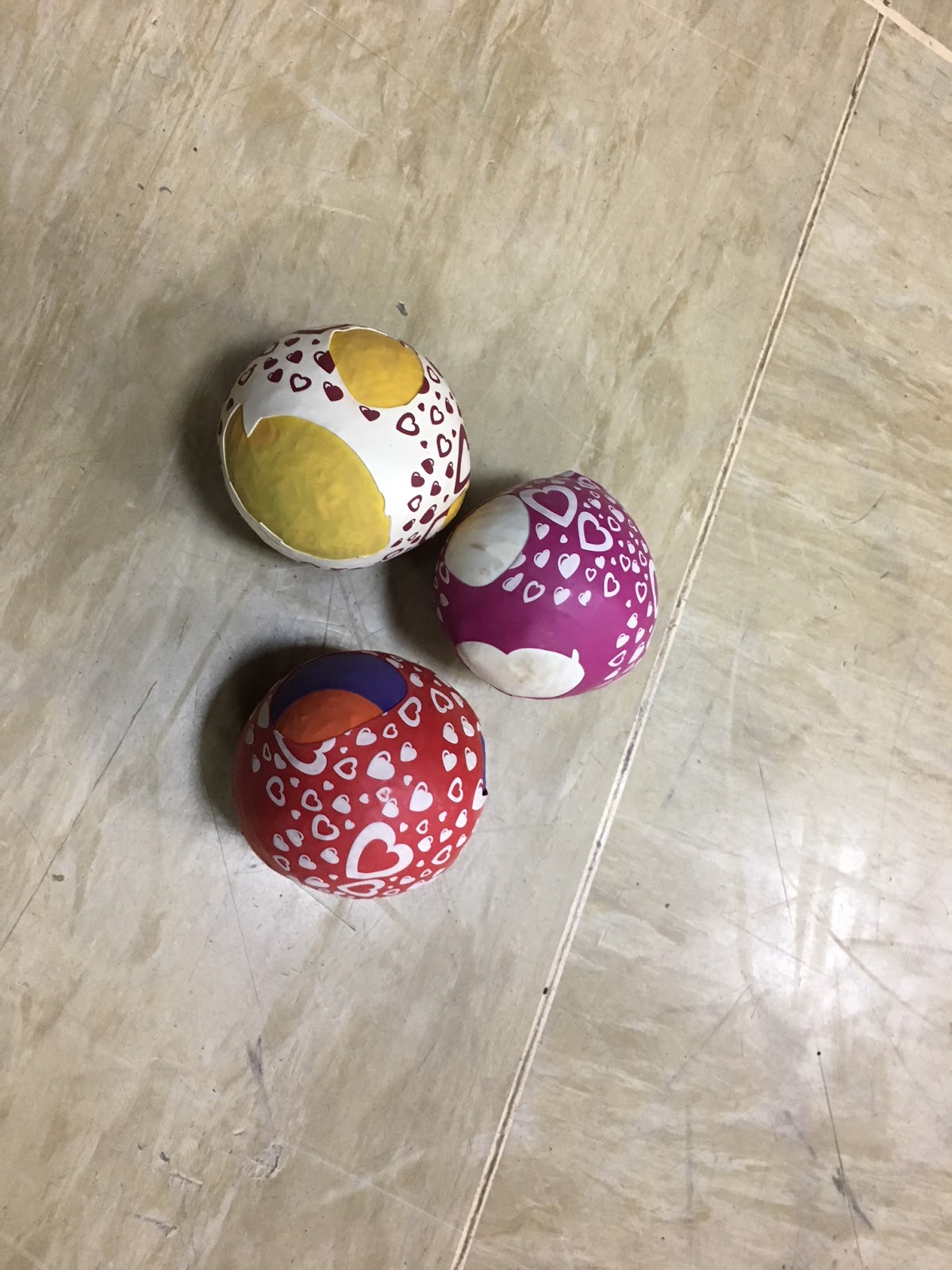
We made our own juggling balls, with coloured balloons and rice. They were very nice!
You practiced really well and finally you were able to juggle with three balls!! Well done everyone! Here you can see some pictures from the activity.


lunes, 8 de mayo de 2017

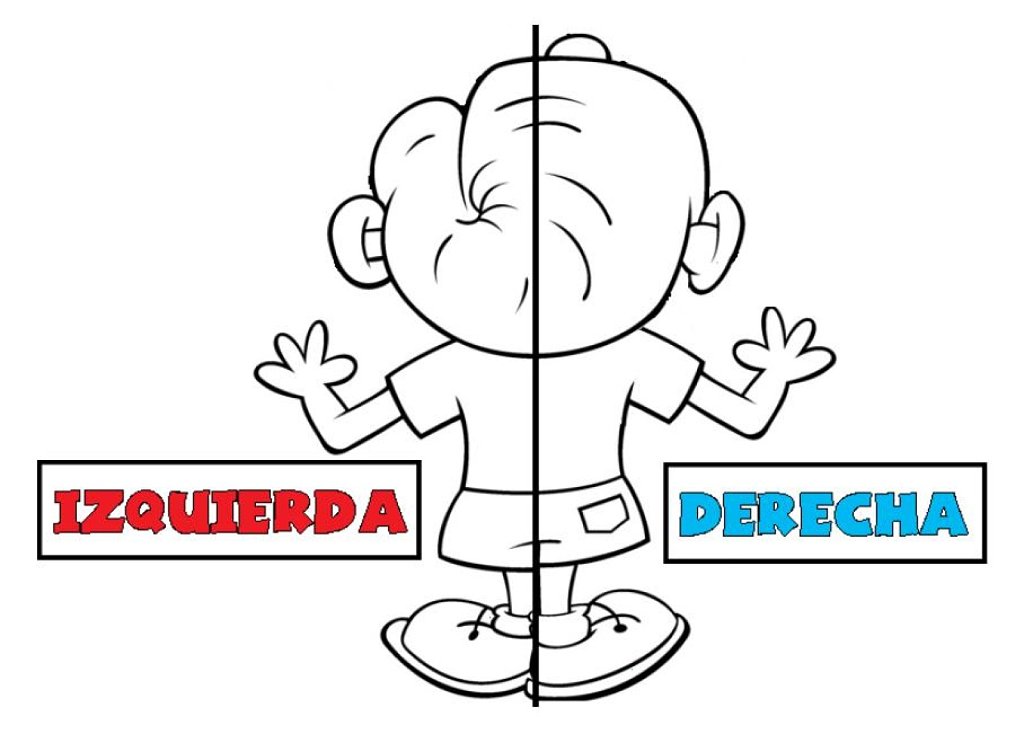
Desarrollo de la lateralidad


Según la rae, la lateralidad se define como: "Preferencia espontánea en el uso de los órganos situados al lado derecho o izquierdo del cuerpocomo los brazoslas piernasetc."

El desarrollo de la lateralidad, o lateralización, pasa por tres fases. 

Los primeros dos años de vida, los niños y las niñas pasan por el proceso de identificación. No hay una lateralidad definida y no seríamos capaces de predecir si van a ser zurdos, diestros o ambidiestros.


Desde los dos hasta los cuatro años tiene lugar la fase de alternancia, en la cual los niños y niñas utilizan ambos lados indistintamente, es decir sin una preferencia, aunque hay un mayor uso del lado por el que posiblemente se vayan a definir.

En una tercera etapa, llamada de automatización, se puede observar una preferencia y mejor manejo por uno de los lados. Esto sucede desde los  cuatro a seis años y la lateralidad estaría pues definida.

Una clasificación bastante adecuada sobre los tipos de lateralidad es que que establece Ortigosa (2004), que distingue entre lateralidad armónica y disarmónica.

Dentro de la lateralidad armónica, se encuentran los diestros armónicos y los zurdos armónicos, que son quienes tienen un lado único preferente en todos los segmentos del cuerpo.

En cuanto a la lateralidad disarmónica, pueden existir:

Ambidiestro: Aquella persona que utiliza indistintamente tanto el lado derecho como el izquierdo de su cuerpo para cualquier tipo de tarea.

Zurdo disarmónico: Aquella persona que dependiendo de la tarea utiliza un lado de su cuerpo u otro, aunque el lado izquierdo es preferente.

Diestro disarmónico: Asímismo, dependiendo de la tarea usaría un lado u otro, pero tendría preferencia por el derecho.

Por último, cabe destacar otro tipo de lateralidad que puede acarrear muchos problemas. Se trata de la zurdería contrariada. La zurdería contrariada se produce en la infancia cuando los adultos prohíben al infante el uso del lado izquierdo y obligan al uso del derecho. 

Para concluir, es recomendable que dejemos a los pequeños que tengan oportunidades suficientes para descubrir, practicar y manejar su lateralidad. En ningún caso es recomendable corregir la lateralidad de ningún niño. 

lunes, 6 de marzo de 2017

Beneficios del ajedrez.


El ajedrez ha sido un juego popular en Europa desde el siglo XV. Ahora, en su versión de competición, está considerado como deporte. En esta entrada, no se va a entrar en polémicas sobre este aspecto, sino que se van a analizar los aspectos positivos que puede aportar a nuestros pequeños.

VENCER EL MIEDO AL ENFRENTAMIENTO Y TOMA DE DECISIONES:

En una partida de ajedrez, los jugadores no sólo se enfrentan en una riña sobre quién es mejor, sino que psicológicamente se enzarzan en una batalla emocional que se podría comparar con una justa medieval a vida o muerte. Por la mente del jugador de ajedrez pasan muchos pensamientos, tanto positivos como negativos, los cuales pueden jugar malas pasadas. El hecho de que una vez ejecutado un movimiento, no se puede volver atrás favorece la toma de responsabilidades sobre nuestros actos. (¡En ciertos momentos de la partida, es común que el corazón llegue a latir a 140-150 pulsaciones por minuto!)

MEJORA DE LA CONCENTRACIÓN:

Una partida de ajedrez, en la modalidad denominada como lentas, puede durar horas. En todo ese tiempo el cerebro está haciendo cálculos, haciendo que el tiempo pase muy rápido. Todo este tiempo de concentración, va a aportar que seamos capaces de concentrarnos más fácilmente en otras facetas de la vida.


ANÁLISIS, SÍNTESIS Y MEMORIA:

El número de posibles, no siempre probables, variantes es incalculable. De hecho, es improbable que dos partidas transcurran exactamente igual. Ello hace que se analicen las posiciones, para descartar las variantes denominadas como "malas" y elegir las más favorables después de un proceso de síntesis. La memoria fotográfica también se desarrolla durante estos procesos, siendo capaz un jugador de acordarse de una posición concreta en cualquier momento de la partida.

CREATIVIDAD E IMAGINACIÓN:

Aunque las aperturas del juego son bien estudiadas, (¡Algunas partidas se estudian hasta incluso pasada la jugada número 30 en niveles profesionales!) el jugador de ajedrez ha de tener un plan para vencer a su oponente, imaginarse cómo quiere que prosiga la posición y ser creativo para llegar a ella.

CONCLUSIÓN:

El ajedrez es un juego/deporte muy completo que puede aportar mucho a quien lo practica. Gracias al desarrollo de todas las facetas que han sido mencionadas anteriormente, es una actividad muy recomendable para todas las edades, pero en especial para niños en edades de primaria y secundaria.


BENEFITS OF CHESS

Chess has been a popular game in Europe since XV century. Nowadays, in its competition version, has been considered a sport. On this post, the aim is not to discuss about this controversy, but analyse the possitive aspects that are going to be helpful for our children. 

BEATING THE FEAR OF CONFRONTATION AND TAKING DECITIONS: 

When playing a chess match, the players will, not only play and see who is better, but will also fight psychologically in a battle of emotions that could be compared to medieval jousting. In the mind of a chess player, a lot of thoughts come up, either positive or negative, which can be tricky. The fact that, once taken a move, the player is not allowed to go back, favours taking responsabilities for our acts. (At certain points of the match, it is common that the heart beats at 140-150 beats per minute!)


IMPROVING CONCENTRATION:

A chess match, in the standard time control, can last for hours. During all this time, the brain is doing calculus, so time goes by incredibly quickly. All this time of concentration is going to help us concentrate easier and better in other features of life.


ANALYSIS, SINTHESIS AND MEMORY:

The number of possible, not always probable, variations is incalculable. In fact, it is improbable that two matches happen exactly the same way. That is the reason why positions are analysed, in order to reject the moves known as "bad" and chose the most favourable ones after a process of synthesis. The visual memory is also developed when these processes take place, allowing a player to remember a certain position in any moment of the match.

CREATIVITY AND IMAGINATION:

Although the openings of the game are studied penetratingly, (Some matches are even studied after the move number 30 in the professional levels!) the chess player must have a plan to beat the oponent, imagine how he or she wants the position to continue and be creative to reach it.


CONCLUSION:

Chess is a complet game/sport which can bring a lot of benefits to players. Thanks to the development of all the aspects aforementioned, it is a well recommended activity for all ages, but especially for children of Primary and Secondary education.